

Iraq, known as the "Cradle of Civilization," is home to over 12,000 archaeological sites documenting millennia of history, from the first Sumerian cities to the Ottoman Empire.
Iraq currently has six sites inscribed on the UNESCO World Heritage List:
- Babylon: Ancient capital of the Babylonian Empire under Hammurabi and later Nebuchadnezzar II. It is famous for the Hanging Gardens and the Ishtar Gate.
- Ur: One of the most important Sumerian cities, dating back to the 4th millennium BC. It features the Great Ziggurat of Ur, a stepped pyramidal temple dedicated to the moon god, Nanna.
- Hatra: A fortified city from the Parthian period that resisted Roman sieges. Its architecture blends Hellenistic, Roman, and Eastern influences.
- Samarra Archaeological City: Capital of the Abbasid Caliphate, known for its iconic spiral minaret, the Malwiya
- Ashur (Qal'at Sherqat): The first capital of the Assyrian Empire and its primary religious center, located on the banks of the Tigris River.
- Erbil Citadel: Considered one of the oldest continuously inhabited settlements in the world, with a history dating back 6,000–8,000 years.


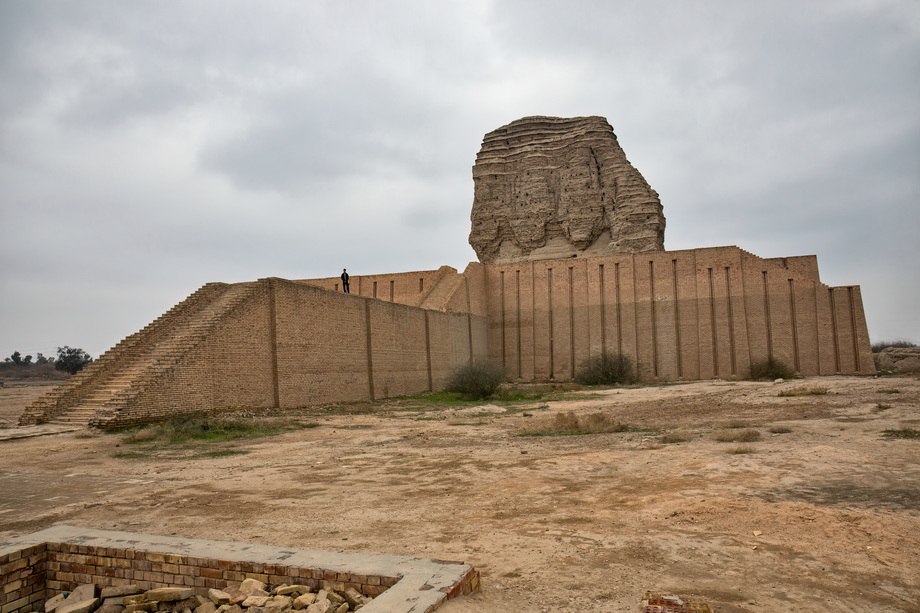


Photo Gallery: © Jordi Zaragozà Anglès - Iraq 2026