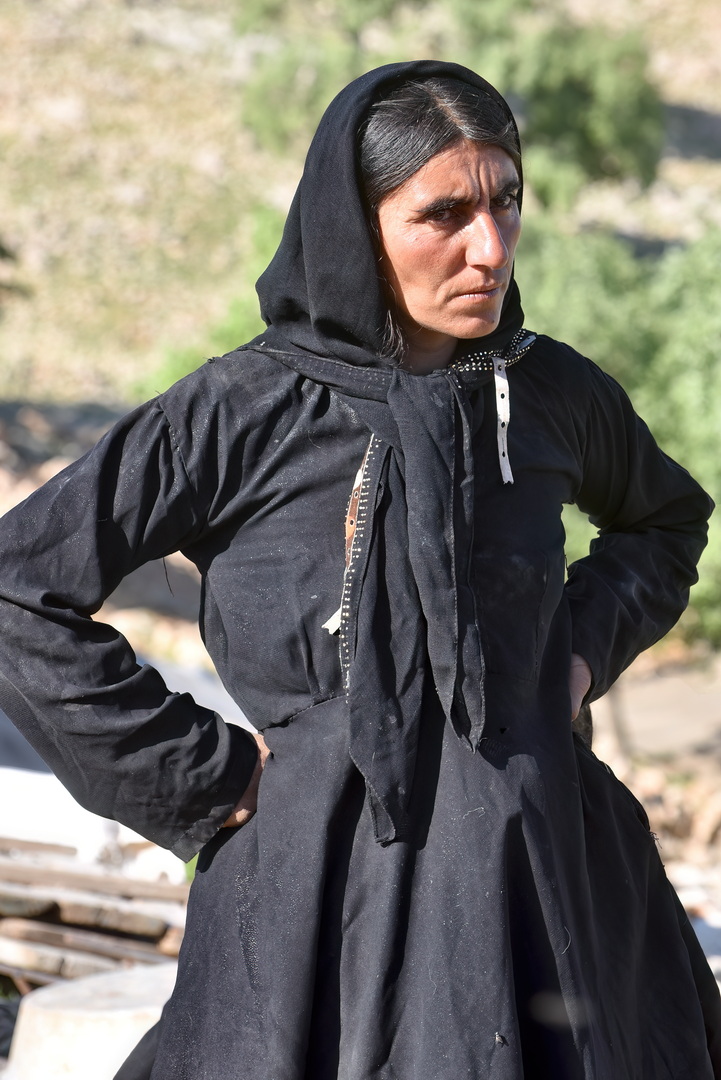
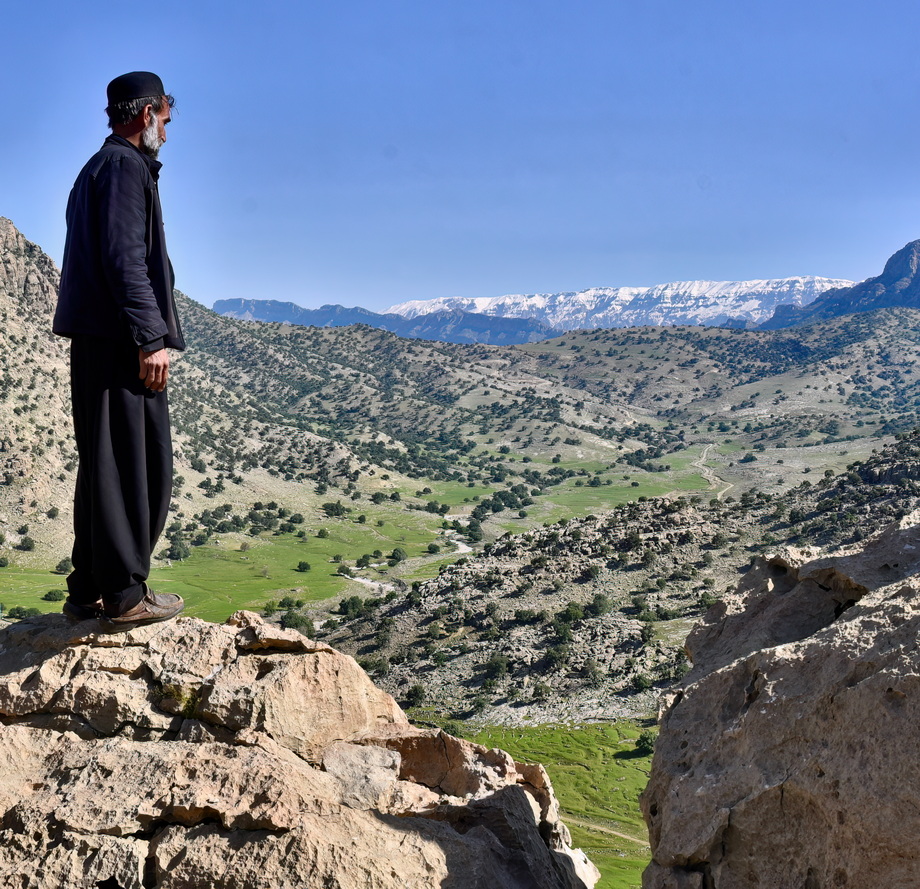
The Bakhtiari nomads are a large Lori ethnic group and the largest migratory nomadic group in Iran, living mainly in the Zagros Mountains. They are Shiite Muslim shepherds who raise goats and sheep, and migrate twice a year (spring and autumn) between the summer and winter zones, covering up to 300km. They live in traditional black tents (bohon) made of goat hair and their lifestyle is under threat.
The Migration (Kooch): Twice a year, the nomads move with thousands of sheep and goats between their winter quarters (garmsīr) in the Khuzestan plains and summer quarters (sardsīr) in the Chaharmahal and Bakhtiari highlands. This journey of hundreds of kilometers is one of the most demanding nomadic movements in the world.
The "Black Tent" (Siyah Chador): Their mobile home is woven from black goat hair, a material that is waterproof and provides both shade and ventilation during the heat.
Family Roles: Men are generally responsible for herding and protection, while women manage dairy production (cheese, yogurt, butter) and the weaving of carpets and clothing.
Language: They speak the Bakhtiari dialect, which is part of the Luri language group.
Men: They wear the Chogha, a sleeveless wool tunic with black and white stripes, wide black trousers called Dabit, and a round felt hat (Kolah).
Women: They are characterized by brightly colored multi-layered dresses, long skirts, and headscarves often adorned with coins or embroidery.
 Extended info about Bakhtiari People