The Dolgan are a Turkic-speaking ethnic group who primarily inhabit the Taymyr Peninsula in northern Siberia (Russia). They are known for being the northernmost Turkic-speaking group in the world. According to the 2010 census, the population is approximately 7,900 people. Today, they face significant challenges such as climate change, industrial pollution from mining in the Norilsk region, and the loss of their traditional grazing routes.
Formation: They emerged as an independent community around the 18th century from a blend of various Evenki (Tungusic) clans, Yakuts, Enets, and Russian peasants (zatundrennye krest'yane) living in the area.
Meaning: The name "Dolgan" comes from one of the original Tungusic clans; they call themselves Dulgaan.
Language: They speak Dolgan, a language closely related to Yakut but with strong influences from Evenki and Russian. It did not have its own written script until the 1970s.
Nomadism: Traditionally, they are reindeer herders, hunters, and fishers. They migrate seasonally across the tundra following the reindeer herds.
Unique Housing: One of their most distinctive features is the balok, a small wooden hut insulated with reindeer skins and built on sled runners, allowing it to be pulled by reindeer during migrations.
Beliefs: Most are influenced by the Russian Orthodox Church, but they maintain strong roots in shamanism and animism, with deep respect for nature spirits (ichchi).
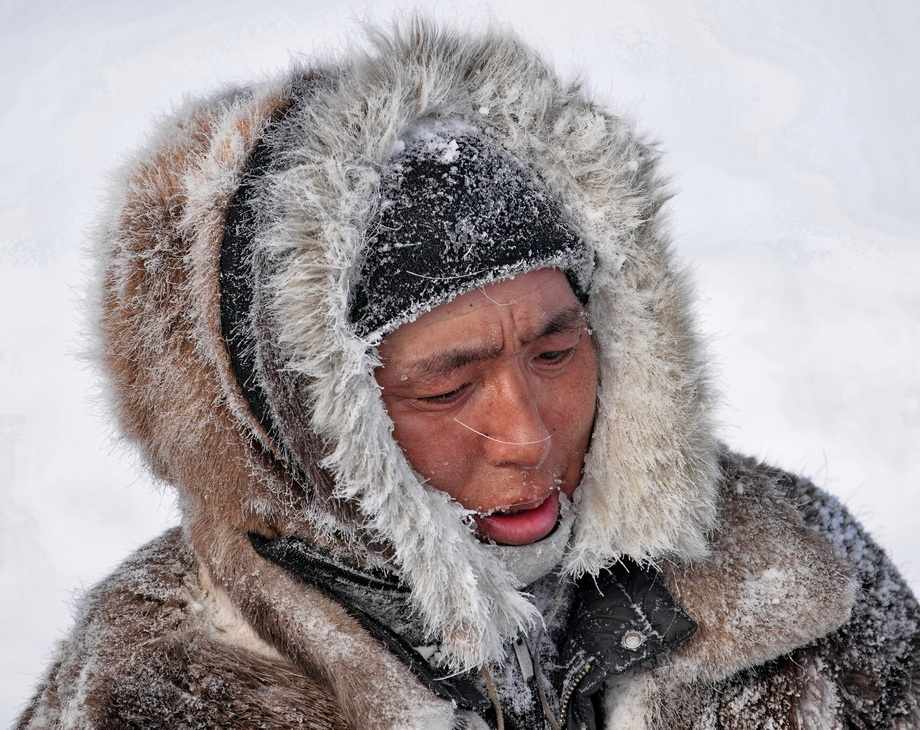
Clothing: They craft intricate reindeer-skin clothing decorated with colorful beads and fur mosaics, designed to withstand the extreme Arctic cold.
 Extended info about Dolgan People