

The Kuchi (or Kochi) are a pastoral nomadic group of Pashtun origin who primarily inhabit eastern and southern Afghanistan and the border regions of Pakistan. The word Kuchi comes from the Persian word kuch, which means "to migrate." Many Kuchi have been forced to abandon their nomadic lifestyle due to constant wars, extreme droughts, and the closing of international borders.They hold a special status in the Afghan constitution, which guarantees them representation in parliament to protect their rights and access to land
Nomadism: They traditionally move seasonally with their herds of sheep, goats, and camels in search of fresh pastures.
Housing: They live in yurts or tents made of black goat hair (ghizhdi), which are easy to assemble and transport.
Trade: Historically, they have acted as messengers and traders, exchanging dairy products, meat, and wool for grain and other goods with sedentary populations.
Crafts and Jewelry: They are famous for their handmade jewelry made of metal and colorful stones, as well as their clothing featuring vibrant embroidery and inlaid mirrors.
Pashtunwali: As a Pashtun group, they follow the Pashtunwali honor code, which places great emphasis on hospitality (melmastia) and the protection of guests.
Language: They primarily speak Pashto, though many are also fluent in Dari (Afghan Persian).
Islam: They are predominantly Sunni Muslims.
Ancestral Practices: Their faith often incorporates pre-Islamic elements, such as facial tattoos (khaal) for medicinal or protective purposes, a practice that is currently fading.
.  Extended info about Kuchi People


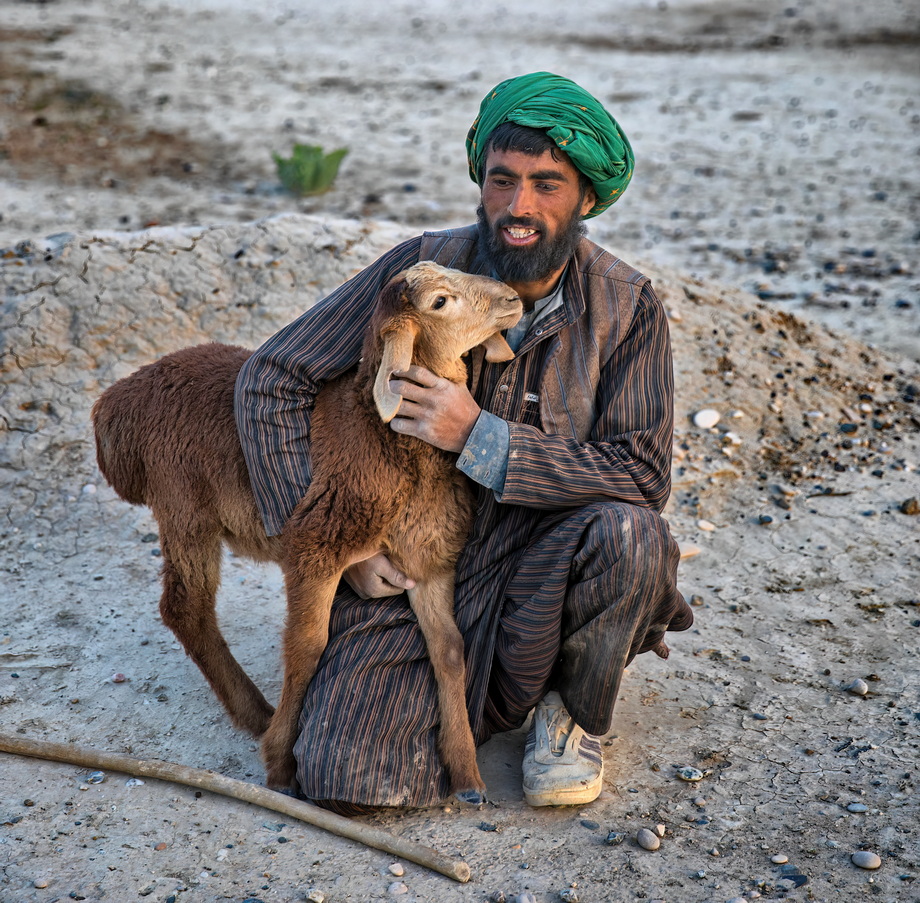
Photo Gallery: © Jordi Zaragozà Anglès / Afghanistan - 2023